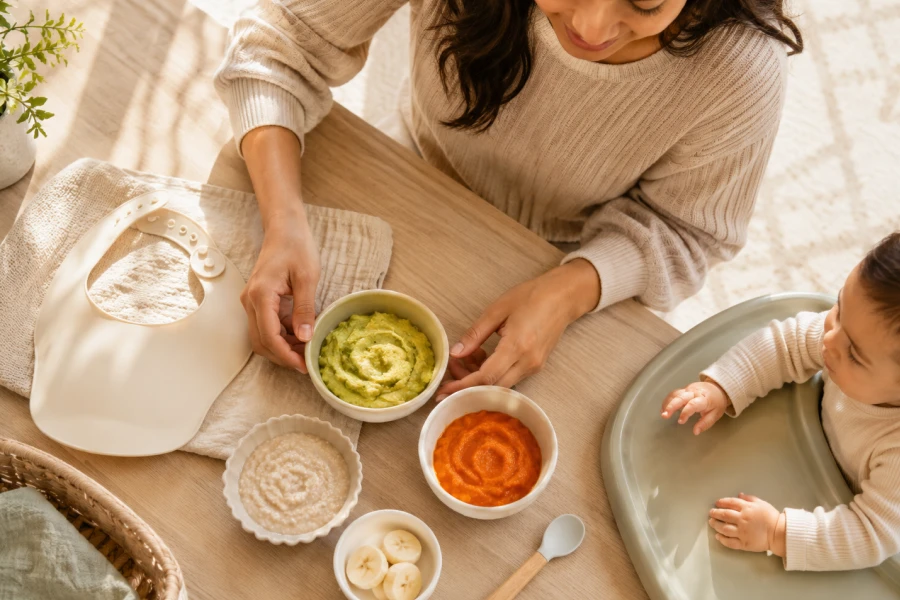
Safe first foods for babies are less about finding a single perfect puree and more about matching food to development. The earliest meals introduce texture, smell, taste, and shared routines. They do not need to look polished to be worthwhile. A baby who is ready for solids is practicing a new physical skill while discovering unfamiliar sensations. That calls for supervision, patience, and a realistic setup. Parents can begin with simple foods and move slowly as confidence grows. The right texture today may not be right next month. Keep milk feeds dependable while food becomes part of the day. A flexible balanced baby meals resource can support planning without creating a rigid menu. Good first foods leave room for both safety and joy.
Texture changes the eating experience as much as flavor does. In the beginning, foods should be prepared so they are smooth, soft, and easy to manage. Cook firm produce until it mashes easily. Remove hard skins, pits, bones, and other pieces that do not break down safely. Sit with your baby throughout the meal. A high chair with proper support helps make the experience more stable. Avoid turning eating into a rushed errand between other tasks. Look closely at what your baby can do today, not what another child could do. Practical first foods preparation ideas can make the kitchen feel less overwhelming. The safer option is usually the one that fits your baby’s current skills.
Variety matters over time, but a complicated first menu is unnecessary. Single-ingredient foods offer a clean starting point for both observation and preparation. Soft vegetables, fruit, protein foods, and iron-rich options can all belong in a developing menu. A baby does not need a dessert-like food to be interested in eating. Offer a small amount and let the child decide whether to engage. Some faces will be funny, and some meals will end quickly. That reaction does not need correction. Repeated exposure can build familiarity without force. A parent-friendly complementary feeding roadmap keeps the bigger picture visible. Simple meals are often the easiest ones to repeat safely.
The safest meal begins before the food appears. Choose a stable seat, wash hands, and keep distractions away. Make sure the baby is awake and comfortably supported. An adult should remain close enough to observe every bite. Avoid offering food in a car seat, stroller, or while the baby is lying back. Prepare a small portion rather than loading a large bowl. Keep the mood easy, even when the cleanup looks impossible. Babies learn from your expression as much as they learn from flavor. Useful feeding readiness signs reminders can help all caregivers follow the same sequence. A predictable setup makes learning easier for everyone.
Food allergy questions can make the first weeks feel high stakes. A pediatrician can help families plan when a child has eczema, a previous reaction, or another risk factor. For many babies, allergenic foods can be introduced alongside other complementary foods in age-appropriate forms. The key is preparation that fits the child’s ability to eat safely. Never offer a choking-hazard form just because it is convenient. Note what you offered, how it was prepared, and what happened afterward. That record creates a clearer conversation if you have concerns. Parents who want structure can use allergy introduction basics to organize next questions. Careful steps are more useful than fearful avoidance. This keeps the first experiences manageable for everyone.
A grocery cart can hold healthy foods without telling you which texture is safe today. Packaging and social videos also cannot read your baby’s cues. Development changes quickly, so reassess before moving to thicker or lumpier foods. Watch for seated posture, controlled movements, and the ability to manage the food offered. Move slowly when a new texture seems challenging. Coughing, gagging, and distress are not identical, so learn when to pause and seek help. Keep emergency information available and follow the pediatrician’s advice for your child. The goal is not to hurry toward family meals. The goal is to build skills that make family meals possible later. Preparation turns uncertainty into a calmer decision.
The best first-food routine feels repeatable on an ordinary Tuesday. It does not require a new recipe, perfect photos, or an audience. Start small, stay present, and let your baby guide the pace. Keep the experience short when attention fades. Offer familiar milk feeds as usual while solids remain a learning opportunity. Build variety gradually as confidence and skills develop. Ask for help when texture, reactions, or intake feel confusing. There is no prize for moving faster than your baby needs. With patience, the table becomes a place of discovery instead of pressure. That is a safer foundation for every meal that follows.



Leave a comment